


 min. read
Thursday: Outlook and Teams go quiet
On Thursday, November 12, inboxes across the Americas stopped refreshing around midday. Teams started failing too. Within about an hour, Downdetector logged Outlook reports from 74 countries and territories (BetaNews). Copilot and other Microsoft 365 services went down with them.
Microsoft later explained the cause. A flaw from an earlier network capacity upgrade stayed hidden until a newer network change exposed it. The company also said it saw no sign of malicious activity, and it posted its final service update late on Friday, November 13 (Latin Times).
Friday: a new router grounds U.S. flights
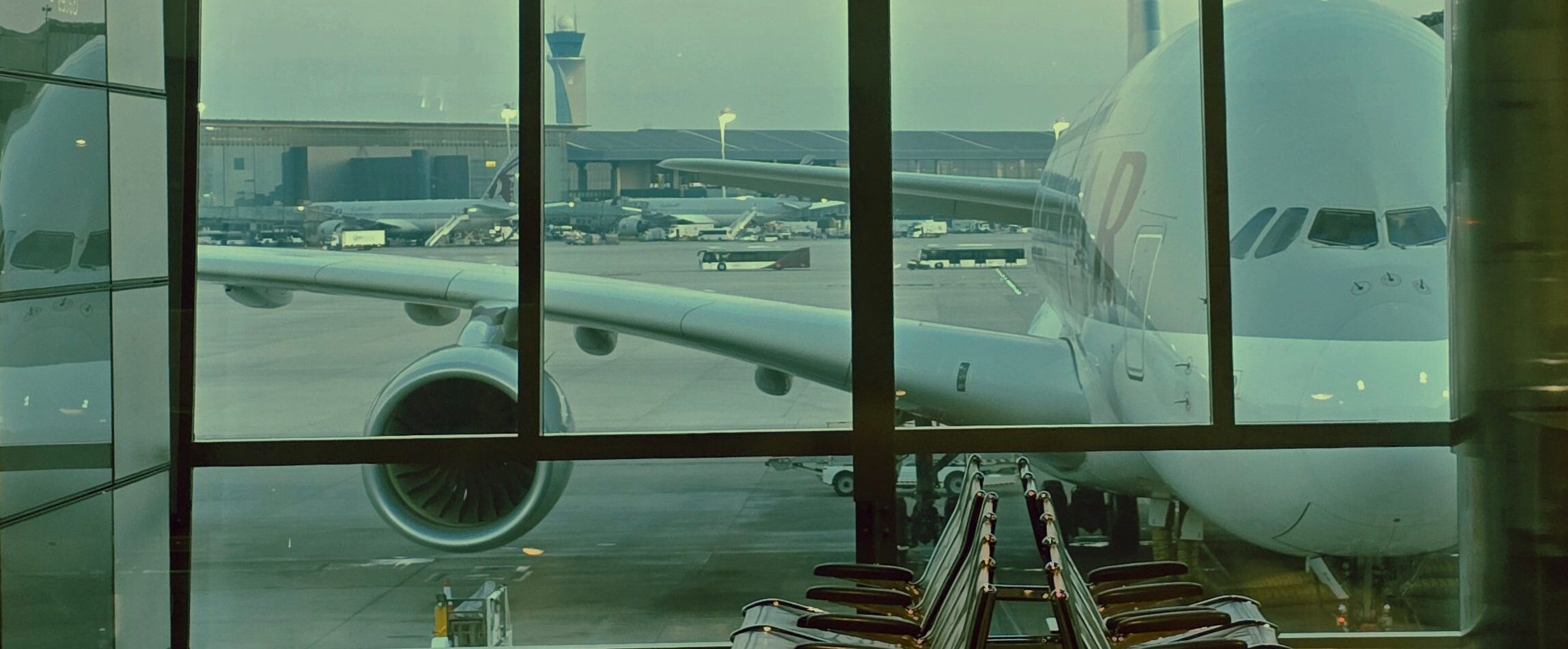
One day later, the story moved south to El Dorado, Arkansas. L3Harris, the FAA’s network service provider, was deploying a new router at a radio communications site there (FAA). Instead of improving the network, it flooded the system with traffic. A similar upgrade in Amarillo, Texas, a few weeks earlier added to the problem (Jalopnik).
The equipment around them couldn’t keep up. The extra traffic overwhelmed 25-year-old routers across the network (WTTW). The FAA stopped every departure in the country, and air travel waited for nearly five hours. When L3Harris blocked both sites, the network stabilized.
The investigation is still open. Investigators know where the problem started, but they haven’t yet determined whether the router was faulty or misconfigured.
The elephant in the room: a network living in two eras
Here’s what the two stories share. Nobody attacked anything. Each company made a change meant to help, and that change traveled far beyond its target.
The FAA case shows why. Congress approved $12.5 billion last year to replace outdated technology. Much of that money also goes to runways and other construction (AJC). The FAA plans to convert more than 3,600 routers, and about 400 are already installed, according to a letter from Democratic senators (Axios). In other words, the network runs in two eras at once. Brand-new equipment talks to hardware that has worked for a quarter of a century.
Microsoft’s case follows the same pattern on a different stack. One upgrade left a hidden flaw. A later change brought it to the surface.
That’s the elephant in the room. Teams watch closely for dramatic threats, and they should. The quieter risk is the approved upgrade that lands in a system more fragile than it looks.
Since then, the FAA has changed course. It disabled the same functionality on more than 60 other Juniper routers and paused new installations.
Why a system upgrade outage spreads so far
Today’s systems connect to almost everything. That’s great when everything works. It also means one small change can travel a long way when something breaks.
Tools help, but people make the difference. Specifically, the professional who:
- understands how the old pieces and the new ones talk to each other
- tests a change on a small slice before it goes live everywhere
- writes down a plan B before anyone needs it
- stays calm and knows which call to make first
No update ships that judgment. It comes from years of watching real systems in production, and it’s one of the clearest marks of senior tech talent.
A sip of coffee with Abstra
Paola Brizuela, Cybersecurity Lead at Abstra, put it this way on our blog: “Security takes more than buying tools. It requires visibility, clear owners, verifiable controls, and business continuity.” (Read Paola’s article)
Clear owners. Business continuity. In other words, someone who knows what to do when the screen goes dark.
Your turn
When the system went down, what was the first thing you checked? Tell us in the comments.